✨ New Arrivals Just Dropped!Explore


Zandstra 3M Skate Blade Polishing Triangle
A 25 cm aluminum triangle with varying types of 3M sandpaper stickers. Here are the instructions on how to polish skates from the manufacturer: 'For an optimal sharpening result there are 5 different grades of self-adhesive sandpaper on a specially extruded aluminium triangle.
The micro aluminium oxide gives the edge a very shiny surface. The aluminium triangle comes complete with 3 different polishing strips. The strips can be reordered separately.
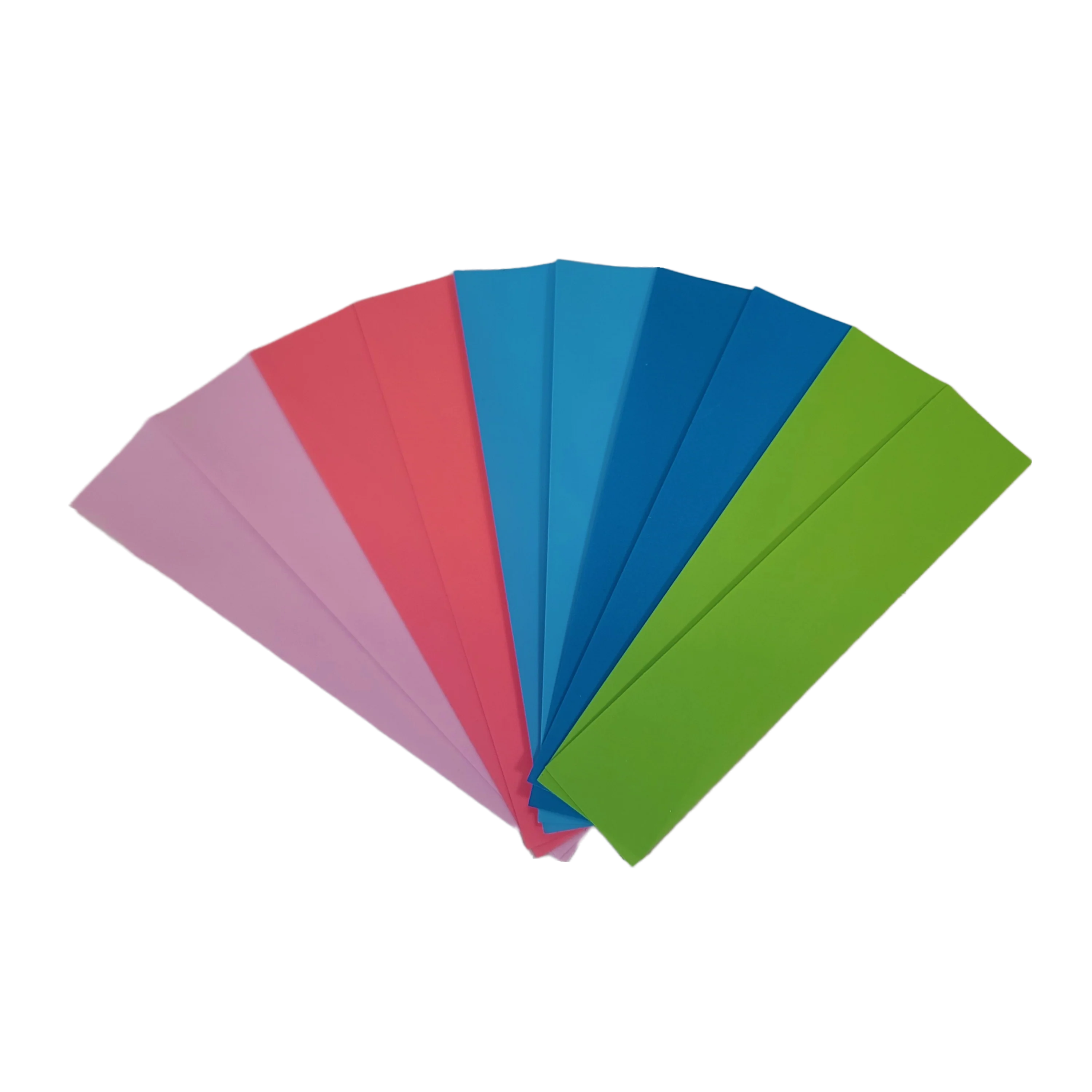
The standard triangle has 3 grades stickered on it, namely 40 (blue), 30 (green) and 3 (pink) micron. Two additional grades are available: 9 (light blue) and 12 (yellow) micron.
Directions of use
Place the skates in a jig. Start with moving the blue side of the triangle back and forth slowly over the runners. Use the entire surface of the 3M abrasive strip during this action. When the friction decreases during the polishing (after approx. 1 minute) change over to the green side. When the resistance decreases again after 1 minute, end with the pink side. When there is no more friction, the job is finished. This process will take approximately 3 to 5 minutes in total.
For an optimum result look at the gliding surface of the skate. If you see a “mirror”, the result is optimal. If not, simply repeat the last (pink) or the second-last (green) procedure.'
$38.00
Zandstra 3M Skate Blade Polishing Triangle—
$38.00
Zandstra 3M Skate Blade Polishing Triangle
A 25 cm aluminum triangle with varying types of 3M sandpaper stickers. Here are the instructions on how to polish skates from the manufacturer: 'For an optimal sharpening result there are 5 different grades of self-adhesive sandpaper on a specially extruded aluminium triangle.
The micro aluminium oxide gives the edge a very shiny surface. The aluminium triangle comes complete with 3 different polishing strips. The strips can be reordered separately.
The standard triangle has 3 grades stickered on it, namely 40 (blue), 30 (green) and 3 (pink) micron. Two additional grades are available: 9 (light blue) and 12 (yellow) micron.
Directions of use
Place the skates in a jig. Start with moving the blue side of the triangle back and forth slowly over the runners. Use the entire surface of the 3M abrasive strip during this action. When the friction decreases during the polishing (after approx. 1 minute) change over to the green side. When the resistance decreases again after 1 minute, end with the pink side. When there is no more friction, the job is finished. This process will take approximately 3 to 5 minutes in total.
For an optimum result look at the gliding surface of the skate. If you see a “mirror”, the result is optimal. If not, simply repeat the last (pink) or the second-last (green) procedure.'
Product Information
Product Information
Shipping & Returns
Shipping & Returns
Description
A 25 cm aluminum triangle with varying types of 3M sandpaper stickers. Here are the instructions on how to polish skates from the manufacturer: 'For an optimal sharpening result there are 5 different grades of self-adhesive sandpaper on a specially extruded aluminium triangle.
The micro aluminium oxide gives the edge a very shiny surface. The aluminium triangle comes complete with 3 different polishing strips. The strips can be reordered separately.
The standard triangle has 3 grades stickered on it, namely 40 (blue), 30 (green) and 3 (pink) micron. Two additional grades are available: 9 (light blue) and 12 (yellow) micron.
Directions of use
Place the skates in a jig. Start with moving the blue side of the triangle back and forth slowly over the runners. Use the entire surface of the 3M abrasive strip during this action. When the friction decreases during the polishing (after approx. 1 minute) change over to the green side. When the resistance decreases again after 1 minute, end with the pink side. When there is no more friction, the job is finished. This process will take approximately 3 to 5 minutes in total.
For an optimum result look at the gliding surface of the skate. If you see a “mirror”, the result is optimal. If not, simply repeat the last (pink) or the second-last (green) procedure.'